-
1.Antioxidant 168 is antioxidants in plastics
2.Usully used with antioxidant 1010 together



Whatsapp :
+86 138-5857-5598
 Languages
Languages
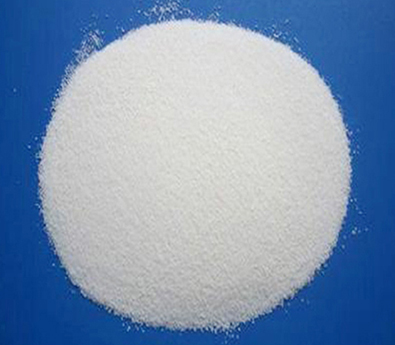
Product Overview
Antioxidant 168 is a high-performance phosphite secondary antioxidant widely used to protect polymers against thermal oxidation during processing.
As a secondary antioxidant, Antioxidant 168 helps decompose polymer hydroperoxides into more stable, non-radical products, reducing the risk of oxidation-related degradation during high-temperature processing. It is particularly useful for maintaining melt stability, reducing processing-induced discoloration, and helping preserve the physical properties of polymer materials.
WSD Chemical offers Antioxidant 168 for industrial applications requiring effective processing stabilization and reliable oxidation control. It is commonly used in polyethylene (PE), polypropylene (PP), engineering plastics, synthetic fibers, and other compatible polymer formulations.
Key Features and Benefits of Antioxidant 168
Antioxidant 168 provides important processing and stabilization benefits for polymer manufacturers.
1.Effective hydroperoxide decomposition: Helps prevent hydroperoxides from contributing to further oxidative chain reactions.
2.Improved processing stability: Supports polymer stability during extrusion, injection molding, and other high-temperature processing operations.
3.Color protection: Helps reduce processing-related discoloration and maintain the appearance of finished products.
4.Low volatility: Helps minimize additive loss under suitable processing conditions.
Good compatibility: Suitable for a range of polyolefins and other compatible polymer systems.
5.Synergistic antioxidant performance: Works effectively with primary antioxidants, such as Antioxidant 1010 and Antioxidant 1076, to provide complementary oxidation protection.
6.Versatile industrial applications: Suitable for various plastic resins, polymer compounds, and selected synthetic materials.
These characteristics make Antioxidant 168 an important secondary antioxidant for manufacturers seeking to improve polymer processing stability and product consistency.
Technical Specifications of Antioxidant 168
Item | Index |
Product Name | Antioxidant 168 (Irgafos 168) |
Chemical Name | Tris(2,4-di-tert-butylphenyl) phosphite |
CAS No. | 31570-04-4 |
EINECS No. | 250-709-6 |
Molecular Formula | C₄₂H₆₃O₃P |
Molecular Weight | 646.94 |
Appearance | White crystalline powder, odorless |
Melting Point | 183.0 ~ 187.0 °C |
Purity (HPLC) | ≥ 99.0% |
Volatile Matter | ≤ 0.3% |
Ash Content | ≤ 0.1% |
Transmittance (10g/100mL Toluene) | 425nm: ≥97% ; 500nm: ≥97% |
Acidity | ≤ 0.25 mgKOH/g |
Hydrolysis Resistance | ≥ 14 hours |
Density (20°C) | 1.03 g/cm³ |
Bulk Density | 0.48 ~ 0.57 g/cm³ |
Flash Point | 257 °C |
Solubility (20°C, W/W) | Acetone 1%, Benzene 34%, Chloroform 36%, Ethyl Acetate 4%, Hexane 11%, Methanol <0.01%, Water <0.01% |
Toxicity (Oral Rat LD₅₀) | ≥ 5000 mg/kg (low toxicity) |
Regulatory Compliance | Meets FDA, EU 10/2011 (food contact), RoHS, REACH standards |
Note: The listed appearance is typical industry information. Purity, melting range, acid value, volatile matter, transmittance, and other acceptance criteria should be confirmed using the current WSD Chemical technical data sheet (TDS) and certificate of analysis (COA).
Applications of Antioxidant 168
WSD Chemical's Antioxidant 168 is suitable for evaluation in a variety of polymer and industrial formulations.
1. Polyethylene (PE) and Polypropylene (PP)
Antioxidant 168 is widely used in PE and PP to reduce oxidative degradation during melt processing. Typical applications include plastic films, injection-molded products, containers, pipes, sheets, fibers, woven bags, and other polyolefin products.
2. Engineering Plastics
Antioxidant 168 can be considered for compatible engineering plastics and polymer blends, depending on processing temperatures, resin chemistry, and formulation requirements. It helps protect susceptible materials against thermal oxidation during manufacturing.
3. Synthetic Fibers and Fiber-Grade Polymers
In suitable fiber-grade polymer formulations, Antioxidant 168 helps maintain thermal stability during melt processing. Its use may be relevant to selected polypropylene and polyester-related applications, subject to compatibility and processing requirements.
4. Polymer Compounds and Masterbatches
Antioxidant 168 is used in compatible polymer compounds, color masterbatches, and additive masterbatches to help reduce thermal degradation during compounding and subsequent processing. It can support more consistent processing performance when properly formulated.
5. Wire and Cable Materials
Antioxidant 168 may be used in compatible polyolefin-based wire and cable compounds to help protect materials during extrusion and other thermal processing stages.
6. Other Thermoplastic Materials
Additional potential applications include thermoplastic elastomers, selected polymer blends, and other thermoplastic formulations that require secondary antioxidant protection. The suitability of Antioxidant 168 should be verified through formulation trials.
Recommended Dosage and Formulation Guidance
The appropriate dosage of Antioxidant 168 depends on the polymer type, processing temperature, residence time, oxidation sensitivity, and required processing stability. A preliminary dosage range of 0.05%–0.3% by weight is commonly considered for selected polymer formulations, but the optimum concentration must be determined through application-specific testing.
For more comprehensive oxidation protection, Antioxidant 168 is often combined with a primary phenolic antioxidant, such as Antioxidant 1010 or Antioxidant 1076. The secondary antioxidant helps decompose hydroperoxides, while the primary antioxidant scavenges free radicals. This complementary mechanism can improve processing stability and help maintain polymer properties.
For outdoor applications, an appropriate UV absorber or hindered amine light stabilizer (HALS) may also be needed to address photodegradation. Antioxidant 168 primarily supports thermal and processing stabilization and should not be regarded as a standalone UV-protection additive.
Packaging, Storage, and Handling
Package: 25kg cardboard drum with inner PE bag, customizable packaging
Storage:Keep in cool, dry, ventilated place, avoid direct sunlight, moisture and strong oxidants
Shelf life:24months
For purchasing and quality assessment, buyers should request the current TDS, SDS, and COA applicable to the supplied product grade.
Frequently Asked Questions(FAQ)
What is Antioxidant 168?
Antioxidant 168 is a phosphite secondary antioxidant with the chemical name Tris(2,4-di-tert-butylphenyl) phosphite and CAS number 31570-04-4. It is widely used to help protect polymers against thermal oxidation during processing.
What is Antioxidant 168 used for?
Antioxidant 168 is commonly used in polyethylene, polypropylene, polymer compounds, masterbatches, and other compatible thermoplastic formulations. Its primary role is to improve processing stability and reduce thermal oxidation.
How does Antioxidant 168 work?
Antioxidant 168 helps decompose hydroperoxides formed during polymer oxidation into more stable products. This reduces their contribution to further oxidative chain reactions and helps protect polymers during high-temperature processing.
What is the difference between Antioxidant 168 and Antioxidant 1010?
Antioxidant 168 is a secondary phosphite antioxidant that primarily decomposes hydroperoxides. Antioxidant 1010 is a primary hindered phenolic antioxidant that scavenges free radicals. They are often combined to provide complementary protection against oxidative degradation.
What is the difference between Antioxidant 168 and Antioxidant 1076?
Both Antioxidant 168 and Antioxidant 1076 are used in polymer stabilization, but they have different mechanisms. Antioxidant 168 is a secondary phosphite antioxidant, while Antioxidant 1076 is a primary hindered phenolic antioxidant. Their combination may improve overall stabilization in compatible formulations.
Can Antioxidant 168 be used in polypropylene?
Yes. Antioxidant 168 is widely used in polypropylene formulations to help improve melt-processing stability and reduce thermal oxidation. The appropriate dosage depends on the resin grade and processing conditions.
What is the recommended dosage of Antioxidant 168?
A preliminary dosage range of 0.05%–0.3% by weight is commonly considered for selected polymer applications. The final dosage should be established through formulation trials and performance testing.
Where can I obtain Antioxidant 168 technical specifications?
Contact WSD Chemical to request the applicable technical data sheet, safety data sheet, certificate of analysis, and product information for your intended application.
1.Antioxidant 168 is antioxidants in plastics
2.Usully used with antioxidant 1010 together