

Whatsapp :
+86 138-5857-5598
 Languages
Languages
Languages

We are your full-process dedicated technical partner for UPVC pipeline manufacturing. We deliver a complete, verified system covering mature raw material & auxiliary recommendations, mass-production validated production formulas, standardized process specifications, and targeted solutions for common on-site production issues. All our support is designed to help you launch stable, high-performance UPVC pipe and fitting products rapidly with minimized trial-and-error costs.
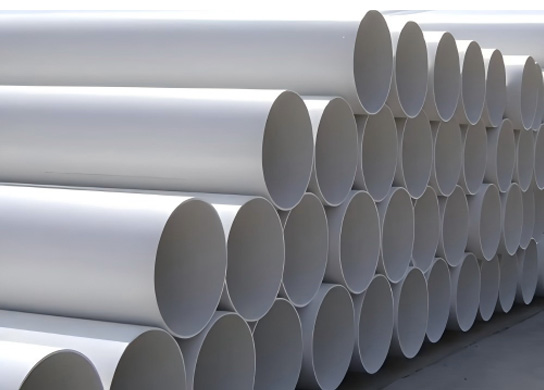
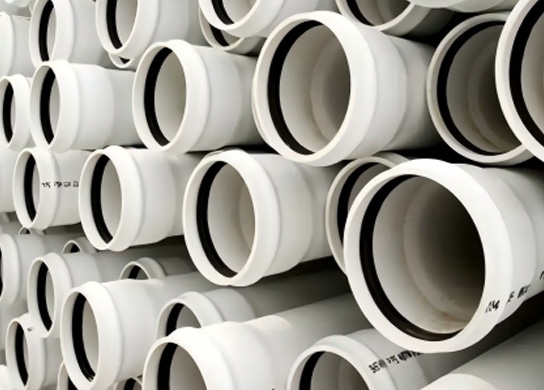
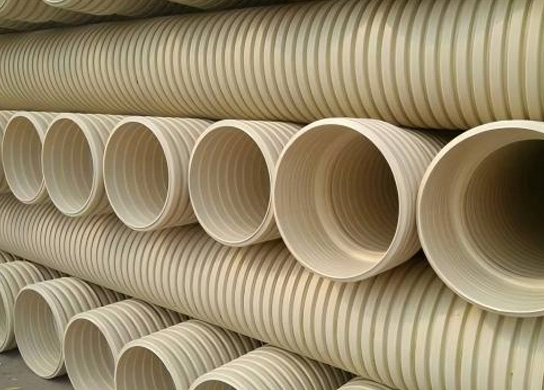
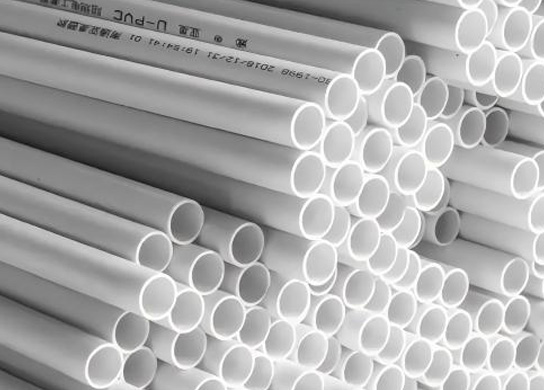
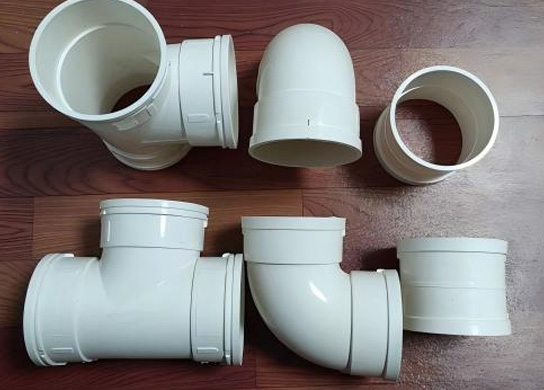
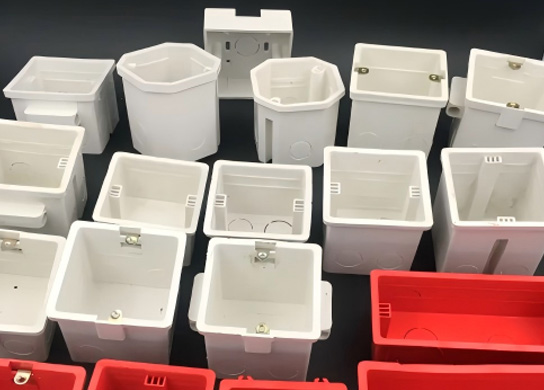
UPVC pipe and fittings feature exceptional corrosion resistance, reliable easy-bonding performance, rigid hard texture and highly cost-effective pricing. They are fully suited for long-term stable delivery of a wide range of media, including drinking water, wastewater, chemicals, heating fluid and coolant, food, ultrapure liquids, slurries, gases, compressed air and vacuum systems. Core product portfolio covers 5 mainstream pipeline types:UPVC Water Supply Pipe, Drainage Pipe, Electrical Conduit,ndustrial Chemical Pipe, Double-Wall Corrugated Pipe and fittings
We provide classified, scenario-tailored raw material and auxiliary matching solutions, customized to align with your specific product positioning, existing production equipment conditions and cost budget targets:
Heat Stabilizer Series: Lead Based PVC Stabilizer, Methyltin stabilizers, Solid powder Ca/Zn PVC stabilizer. They are respectively matched for standard industrial pipes, transparent high-end pipes and food-grade non-toxic pipes, to fully meet the different thermal stability requirements of varied product lines.
Processing Additive Series: Stearic Acid, PE WAX, Acrylic processing aid WSD-401. These components optimize extrusion smoothness, significantly improve finished product surface finish, and effectively avoid common processing defects.
Performance Modifier Series: Chlorinated Polyethylene/CPE 135A greatly enhance the low-temperature impact resistance of finished pipes, and sharply reduce the finished product breakage rate in standard drop tests.
Pigment & Brightener Series: Titanium dioxide anatase, Titanium dioxide rutile, Iron Oxide Pigments, Carbon Black, Optical Brightener OB-1. They support custom surface color matching for pipes, and effectively improve the weather resistance of outdoor-used pipeline products.
We provide 2 sets of the most widely applied, highly stable formulas for your reference.
Formula 1: UPVC Water Supply Pipe
K value 66-68 PVC resin:100 kg
calcium-zinc stabilizer:2.5-3.0kg
CPE 135A:3kg
ACR processing aid ACR-401:1.5kg
Stearic acid: 0.3kg
PE wax :0.2kg
Calcium carbonate :25kg
Titanium dioxide THR-6666:1.5kg
K Value 55-58 PVC resin: 100kg
Ca/Zn stabilizer:3.5-5.0kg
CPE 135A:3kg
ACR 2.5kg
Calcium stearate: 0.3kg
PE wax 0.1kg
Calcium powder :10kg
We sort out clear, actionable operation specifications for core production nodes to help you standardize your production line and reduce random defective products:
High-speed mixing process: Set the final mixing temperature to 118-125℃, control the total mixing time at 10 minutes. Cool the mixed material to below 40℃ after discharging, and finish using the mixed material within 72h to avoid moisture absorption that affects product performance.
Extrusion process: Set the barrel temperature gradient to 160℃-185℃, control the die temperature at 180-190℃. Strictly match the screw rotation speed with the traction speed, to keep the longitudinal dimensional change rate of the finished pipe ≤5%.
Sizing and cooling process: Control the sizing vacuum degree at -0.07~-0.09MPa, keep the circulating cooling water temperature between 15-25℃, to guarantee the perfect roundness and consistent wall thickness uniformity of the finished pipe.
We collect 4 most frequent pain points that trouble UPVC manufacturers on the production line, and provide direct, implementable solutions to help you solve emergency issues rapidly:
A: First check if the local temperature of the barrel or die exceeds the upper process limit by 10-15℃, then verify whether the addition amount of heat stabilizer is insufficient, and clean the accumulated carbon inside the die on a regular basis.
A: Appropriately increase the addition amount of CPE impact modifier, adjust the extrusion temperature to ensure full plasticization of the raw materials, and avoid incomplete plasticization caused by excessively low temperature.
A: Check if the calcium powder filling amount in the PVC resin formula is too high and reduces the intrinsic structural strength of the pipe, or adjust the proportion of processing aids to improve the inherent rigidity of the pipe.
A: Appropriately reduce the dosage of stearic acid and other easily migrated lubricants, adjust the proportion of processing aids in the formula, and raise the die temperature appropriately.
If you have special customized requirements for UPVC pipe and fittings production, or encounter difficult technical problems that cannot be solved on your production line, our technical team with over 20 years of dedicated UPVC pipeline production service experience can provide one-to-one targeted guidance, covering formula debugging, production process optimization and personalized raw material matching. We will help you quickly build a fully stable, high-yield UPVC production system.