

Whatsapp :
+86 138-5857-5598
 Languages
Languages
Languages

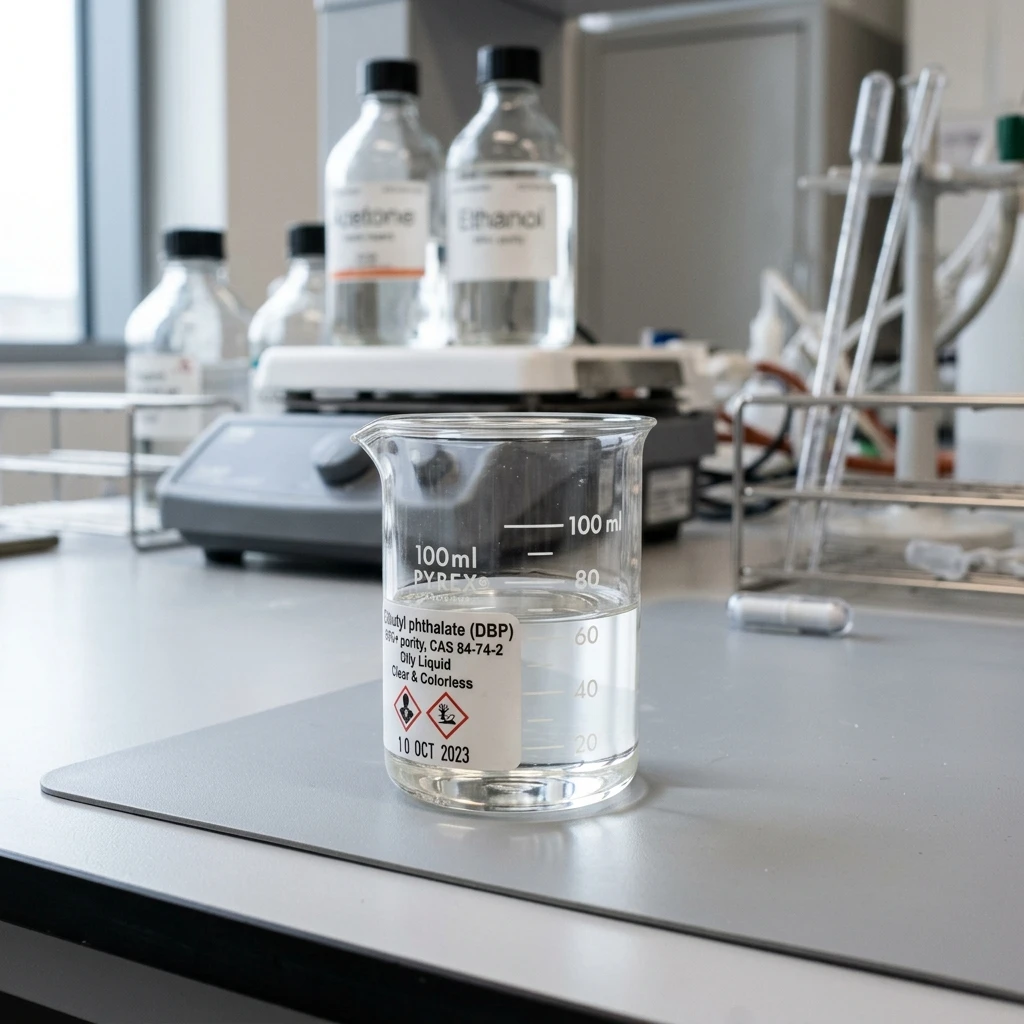
Dibutyl Phthalate (commonly known as DBP) is a highly efficient primary plasticizer for a wide range of resins, most notably Polyvinyl Chloride (PVC) and cellulosic polymers. It is a clear, colorless, and odorless oily liquid with the chemical formula and CAS number 84-74-2.
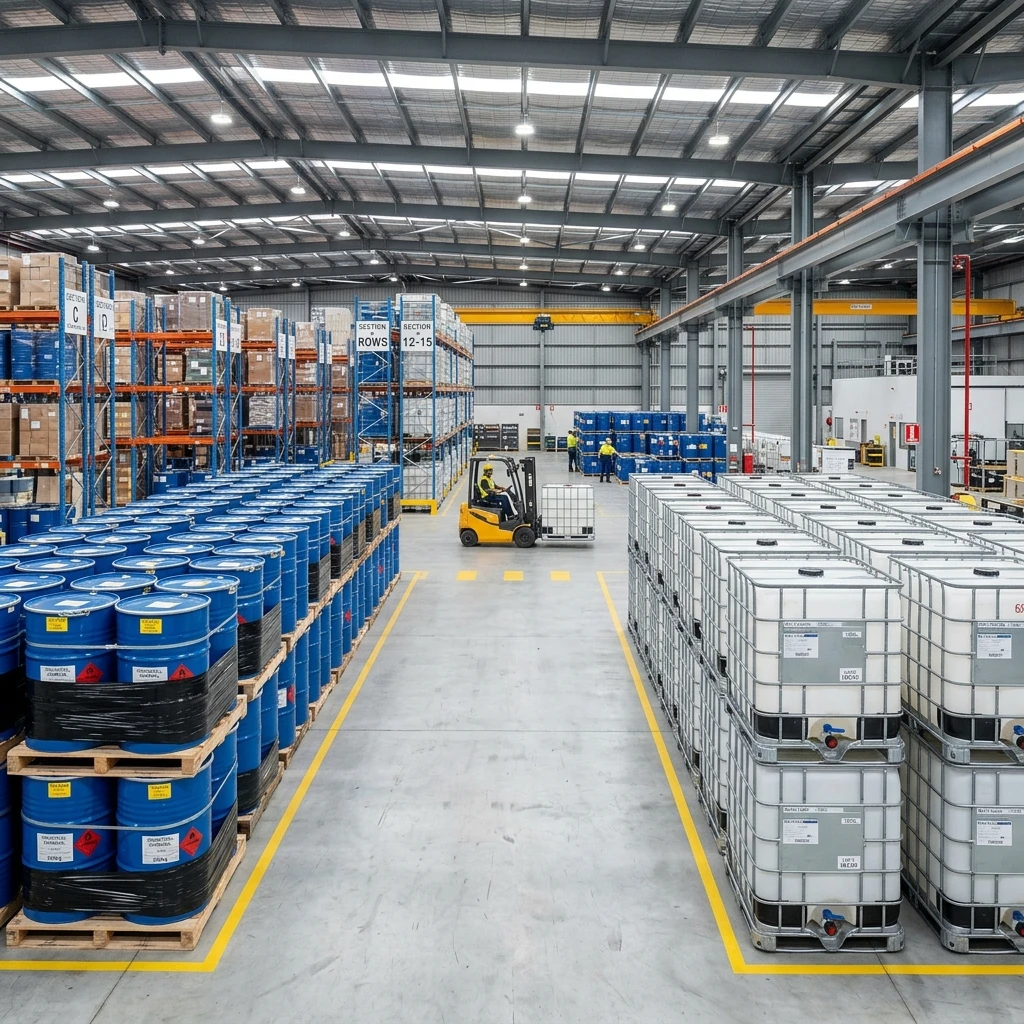
DBP is prized for its excellent compatibility with various resins and its ability to significantly improve the flexibility, durability, and processing characteristics of plastic products. It has a relatively high solvating power, making it a preferred choice for rapid gelation and low-temperature processing in specialized manufacturing.
DBP is a versatile plasticizer utilized in industries ranging from heavy manufacturing to consumer goods where high solvation and flexibility are required.
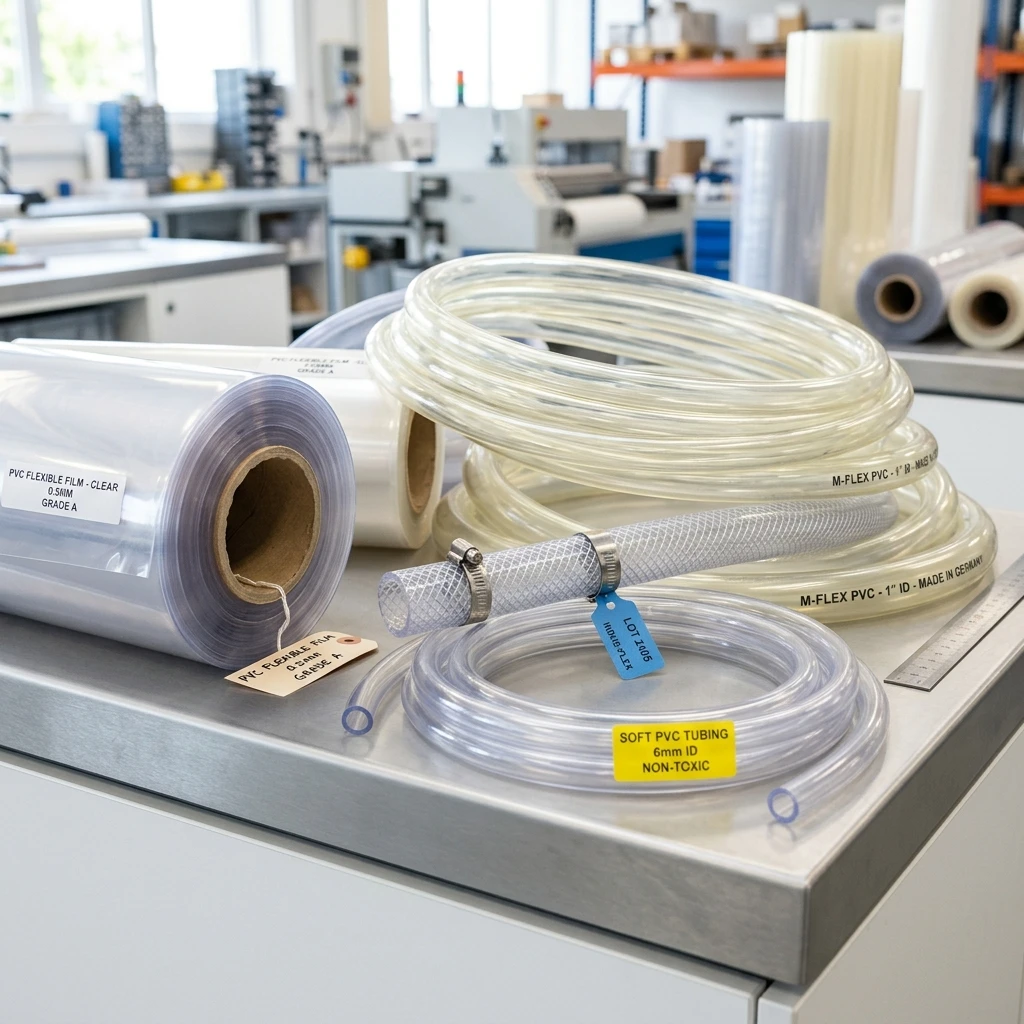
① PVC Resin Processing: DBP is used extensively in the production of soft PVC products, such as flexible films, artificial leather, and plastic tubes. Its high solvating power allows for faster processing cycles and excellent finished product flexibility.
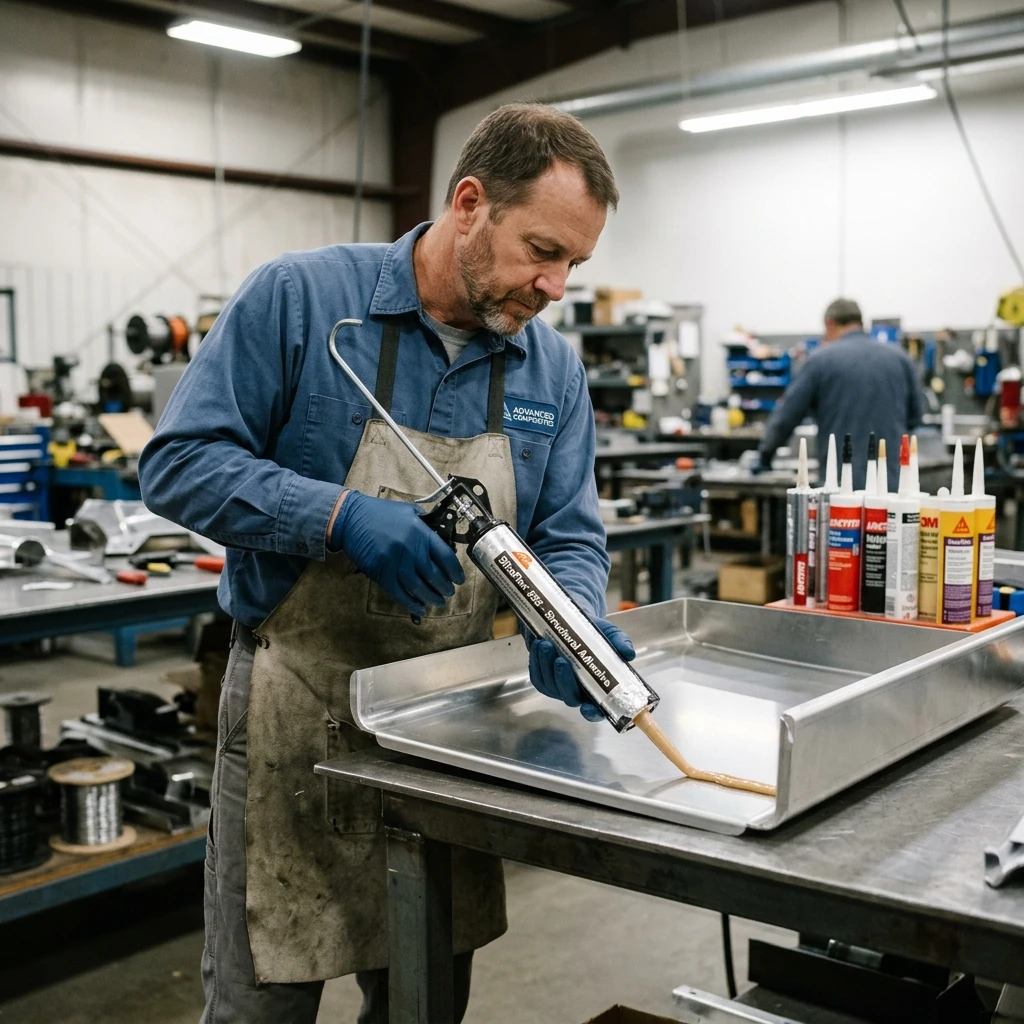
② Adhesives and Sealants: It is a vital component in the formulation of polyvinyl acetate (PVA) glues and various industrial sealants. DBP improves the bond strength and flexibility of the adhesive layer, preventing it from becoming brittle over time.
③ Cellulosic Resins: DBP is highly compatible with nitrocellulose and ethyl cellulose. It is used in the manufacture of lacquers, cellophane, and nitrocellulose-based coatings to provide permanent flexibility and impact resistance.
④ Paints and Specialty Inks: In the coatings industry, DBP acts as a solvent and plasticizer to improve the leveling, adhesion, and durability of surface coatings and high-performance printing inks.
⑤ Safety Glass and Gaskets: Applied in the interlayer of safety glass and in the manufacturing of various industrial gaskets and seals, where its chemical stability ensures long-term performance under stress.