-
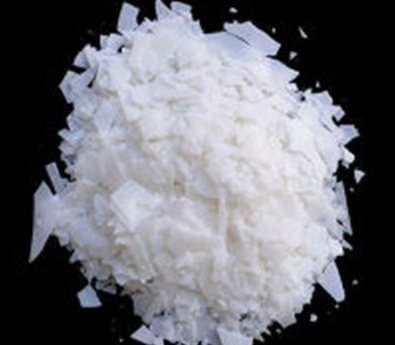
PE Wax (Polyethylene Wax) for Plastics Processing and Industrial Applications
Product Overview
PE Wax (Polyethylene Wax) is a polyethylene-based wax widely used as a processing lubricant, dispersing aid, and functional additive in plastics and other industrial formulations. Depending on its molecular structure, molecular weight, viscosity, melting point, and formulation, PE Wax can help improve processing behavior, additive dispersion, surface characteristics, and production efficiency in selected applications.
Our polyethylene wax products are designed to meet different processing and formulation requirements across the plastics industry. Suitable grades may be used in PVC processing, masterbatch production, plastic compounding, rubber processing, hot-melt adhesives, inks, coatings, and other industrial applications, depending on the product specifications.
As a versatile industrial wax additive, PE Wax can help manufacturers optimize lubrication, pigment dispersion, melt flow, and surface performance when properly matched to the application.
Key Features and Benefits
1. Lubrication Performance
PE Wax can function as an internal or external lubricant in selected polymer formulations. In PVC processing, the appropriate grade can help regulate melt flow, reduce friction, and improve processing behavior.
2. Pigment and Filler Dispersion
In masterbatch and plastic compounding applications, suitable PE Wax grades can help improve the distribution of pigments, fillers, and other additives throughout the polymer matrix.
3. Processing Efficiency
Depending on the formulation and processing conditions, PE Wax may help improve material flow, release characteristics, and production consistency.
4. Surface Properties
Selected grades can influence surface smoothness, gloss, scratch resistance, and slip characteristics in finished products. Actual results depend on the polymer system, dosage, and processing conditions.
5. Versatile Formulation Compatibility
PE Wax is used in a variety of industrial formulations. Grade selection should consider the base polymer, processing temperature, additive package, and target product performance.
Technical Specifications
PE Wax grades differ in molecular weight, melting point, viscosity, density, hardness, and other properties. The following parameters should be provided according to the actual product grade.
Item
Index
Product Name
PE Wax (Polyethylene Wax)
Chemical Type
Polyethylene-based wax
Physical Form
Powder, flakes, granules, or pellets, depending on grade
Molecular Weight
2000-4000
Melting Point
90-115
Viscosity
15-200
Density
0.94-0.95
Technical Documentation
Technical Data Sheet (TDS) and Safety Data Sheet (SDS), where available
Applications of Polyethylene Wax
1.PE Wax for PVC Processing
PE Wax is widely used as a lubricant in selected PVC formulations. Depending on its characteristics and dosage, it can help control fusion behavior, melt flow, metal release, and processing stability.
2.PE Wax for Masterbatch Production
In color masterbatch and filler masterbatch production, suitable PE Wax grades can act as processing aids and dispersing aids to support pigment or filler distribution and improve compounding behavior.
3.PE Wax for Plastic Compounding
PE Wax can be used in selected thermoplastic formulations to adjust lubrication, processing flow, and surface characteristics during extrusion and compounding.
4.PE Wax for Rubber Processing
Certain polyethylene wax grades may be suitable for rubber compounds and related applications where lubrication, dispersion, or surface properties are required.
5.PE Wax for Inks and Coatings
Depending on the wax grade and formulation, PE Wax can be used to modify surface slip, abrasion resistance, scratch resistance, and other coating or ink properties.
6.PE Wax for Hot-Melt Adhesives
Selected grades may be incorporated into hot-melt adhesive formulations to modify viscosity, setting behavior, and processing characteristics. Suitability depends on the adhesive chemistry and performance requirements.
How to Select the Right PE Wax
Choosing the right polyethylene wax depends on the intended application and the technical requirements of the formulation.
Key selection factors include:
Application: PVC processing, masterbatch, plastic compounding, rubber, inks, coatings, or adhesives.
Melting Point: Should be appropriate for the processing temperature and desired wax behavior.
Viscosity: Influences flow behavior and may affect lubrication and dispersion performance.
Molecular Weight: Can influence hardness, compatibility, and processing characteristics.
Chemical Characteristics: Acid value and polarity are particularly relevant when comparing ordinary PE Wax with oxidized PE Wax.
Dosage and Compatibility: The appropriate addition level depends on the base material, other additives, processing equipment, and target performance.
Before selecting a grade for production, review the supplier's technical specifications and conduct application-specific trials.
Frequently Asked Questions(FAQ)
Q:What is PE Wax?
A:PE Wax, or polyethylene wax, is a low-molecular-weight polyethylene-based wax used as a lubricant, dispersing aid, and functional additive in selected plastics and industrial formulations.
Q:What is PE Wax used for?
A:PE Wax is used in PVC processing, color and filler masterbatch, plastic compounding, and certain rubber, ink, coating, and hot-melt adhesive formulations. The suitable applications depend on the grade.
Q:What is the difference between PE Wax and oxidized PE Wax?
A:Ordinary PE Wax is primarily a polyethylene-based wax. Oxidized PE Wax contains oxygen-containing functional groups introduced through oxidation, which can change its polarity, compatibility, and interaction with other formulation components. The two types are not interchangeable in every application.
Q:How much PE Wax should be added to a formulation?
A:The recommended dosage depends on the PE Wax grade, base material, processing method, and target properties. Refer to grade-specific technical guidance and determine the optimum addition level through laboratory and production trials.
Q:How do I choose a PE Wax supplier?
Compare technical specifications, application experience, batch consistency, available quality documentation, packaging, supply capacity, and technical support. Request samples and evaluate performance under your actual processing conditions before finalizing a grade.
Request a PE Wax Technical Data Sheet
Looking for a suitable PE Wax for PVC processing, masterbatch production, or plastic compounding?
Contact our team with your application, base material, processing method, and target performance requirements. We can help you identify a suitable grade and provide available technical documentation, sample arrangements, and quotation information.
Contact us to discuss your PE Wax requirements.



Whatsapp :
+86 138-5857-5598
 Languages