

Whatsapp :
+86 138-5857-5598
 Languages
Languages
Languages

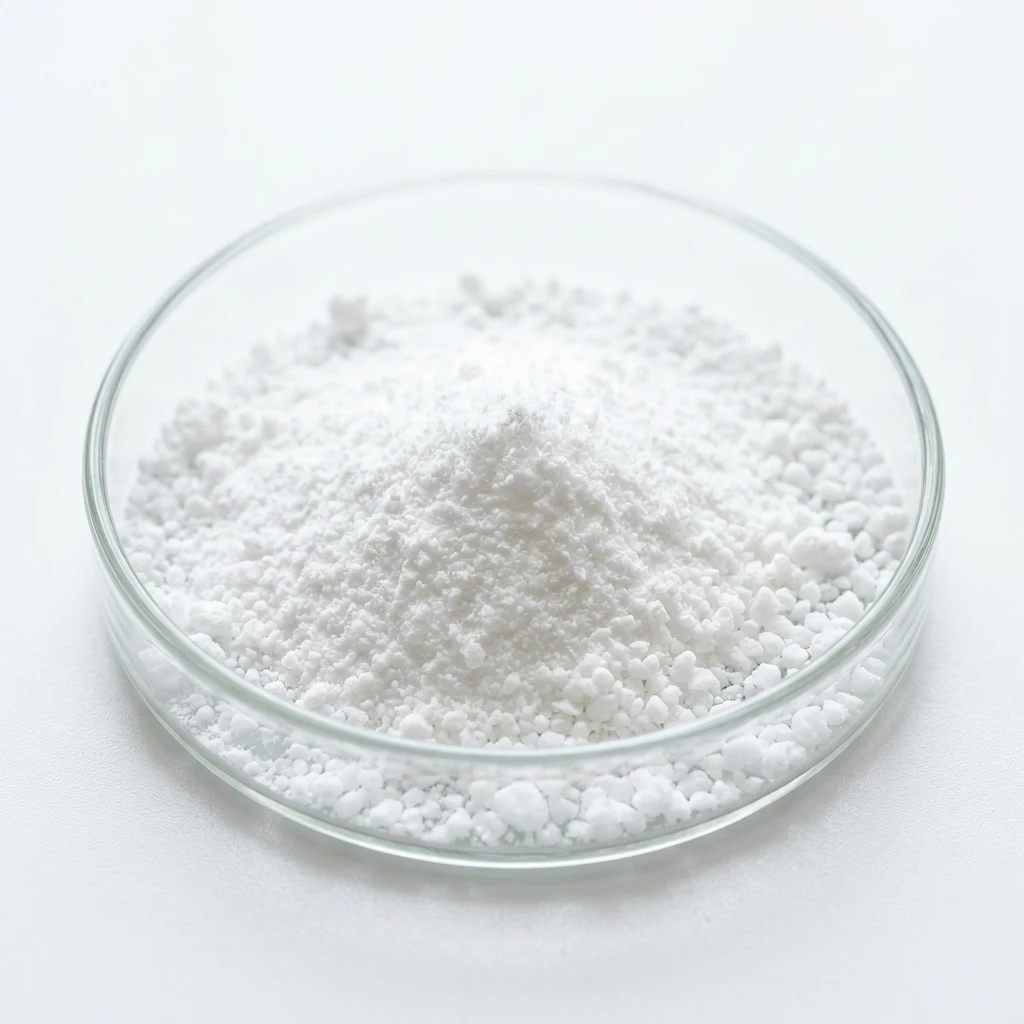
Oxidized Polyethylene Wax (commonly known as OPE Wax) is a high-performance functional wax produced through the controlled oxidation of polyethylene. It has the CAS number 68441-17-8. Unlike standard PE wax, OPE wax contains polar groups such as hydroxyl and carboxyl groups in its molecular chain, providing it with unique chemical properties and superior compatibility.
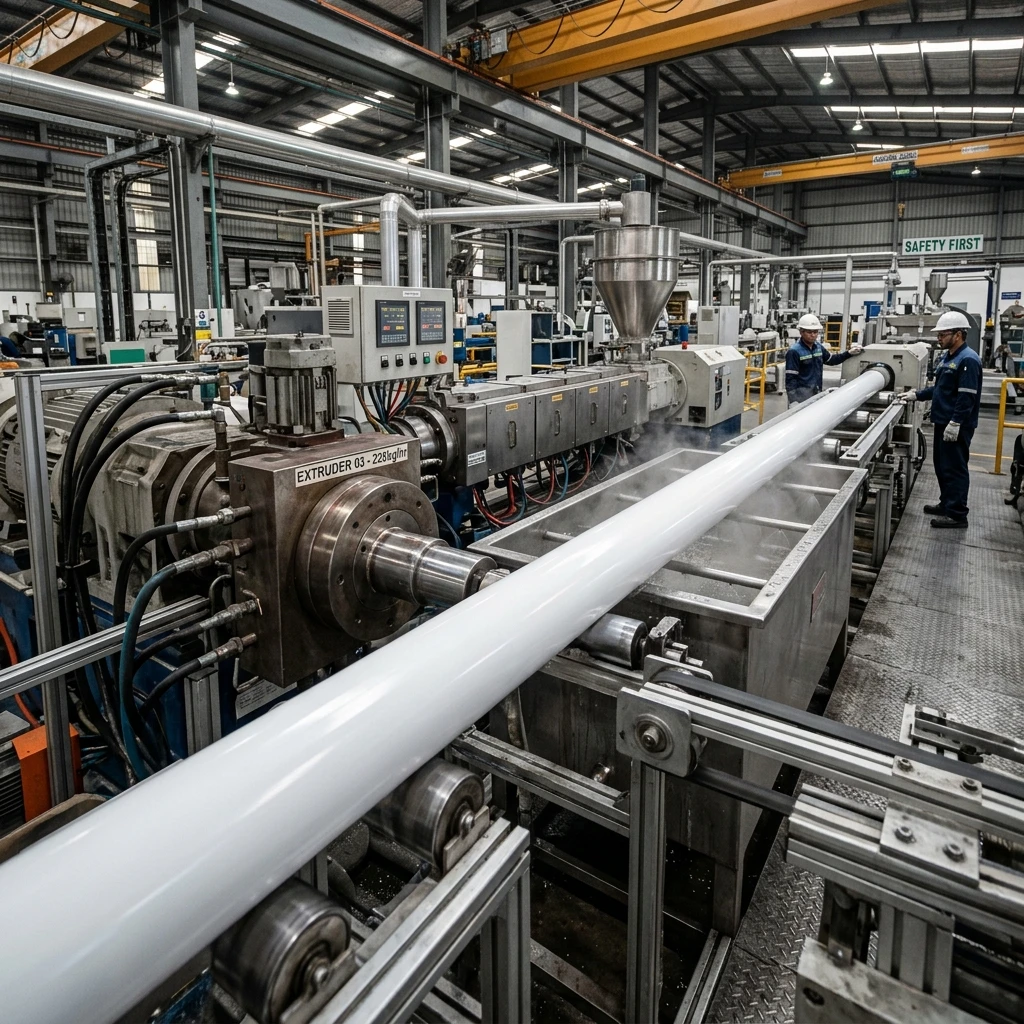
OPE wax is characterized by its high melting point, high hardness, and excellent thermal stability. It acts as a powerful lubricant (both internal and external) and dispersion agent, making it indispensable in high-end plastic processing, coatings, and textile industries.
OPE wax is a multi-functional additive used to optimize processing efficiency and enhance the surface quality of finished products.
① PVC Processing Lubricant: OPE wax is an exceptional external lubricant for rigid PVC pipes, profiles, and sheets. It prevents the polymer from sticking to the metal surfaces of processing equipment, resulting in a smoother, glossier finish and faster extrusion speeds.
② Masterbatch and Pigment Dispersion: Due to its polar nature, it significantly improves the dispersion of pigments and fillers in masterbatches. This ensures vibrant color consistency and prevents clogging in high-speed spinning and film production.
③ Paints, Inks, and Coatings: Added to industrial coatings and printing inks to improve scratch resistance, slip, and matting properties. It creates a protective barrier on the surface, enhancing the durability and feel of the coating.
④ Textile and Paper Softeners: Used in textile finishing as a lubricant and softener to improve the sewability and hand-feel of fabrics. In paper manufacturing, it improves the surface smoothness and water resistance of the paper.
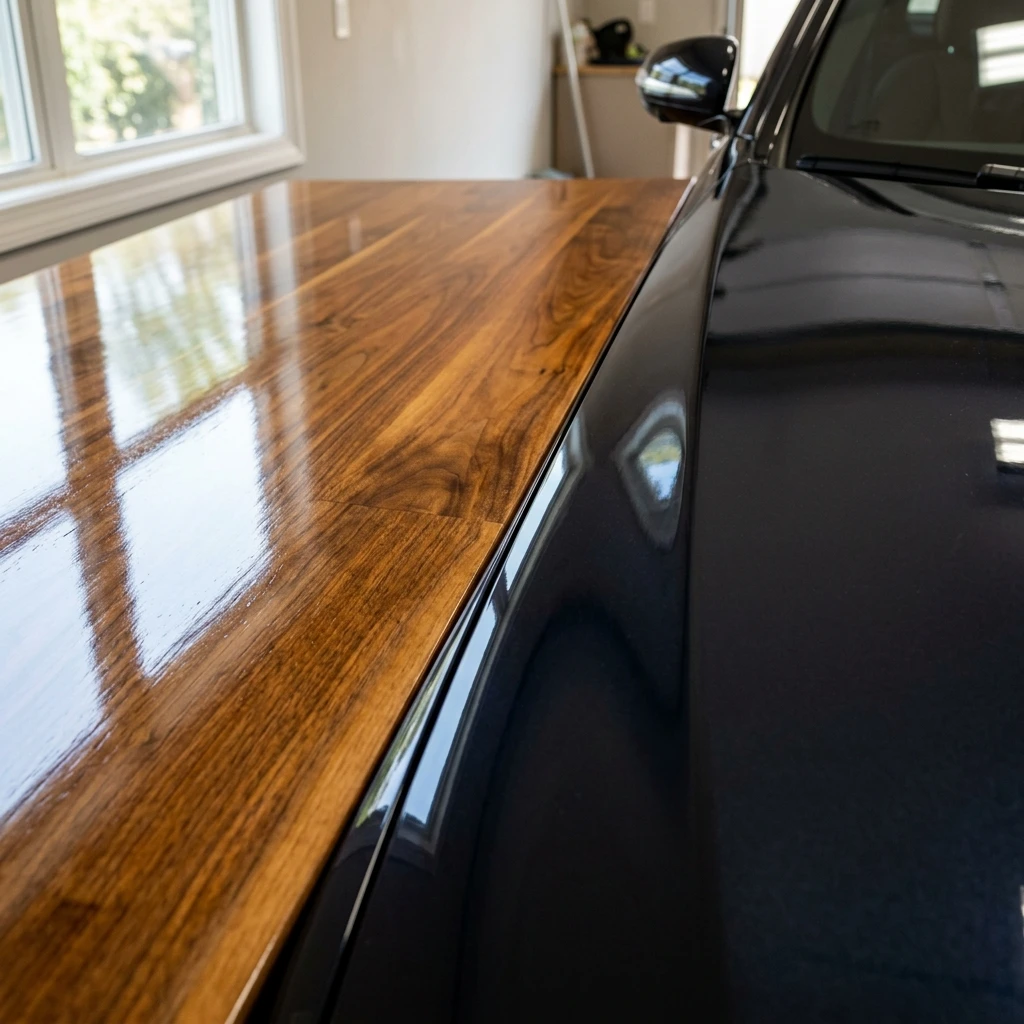
⑤ Polishes and Emulsions: It is a key ingredient in floor, shoe, and car polishes. Its ability to be emulsified allows for the creation of stable water-based emulsions that provide a high-gloss, durable protective layer.