Antimony Mercaptide Stabilizer
Product Overview
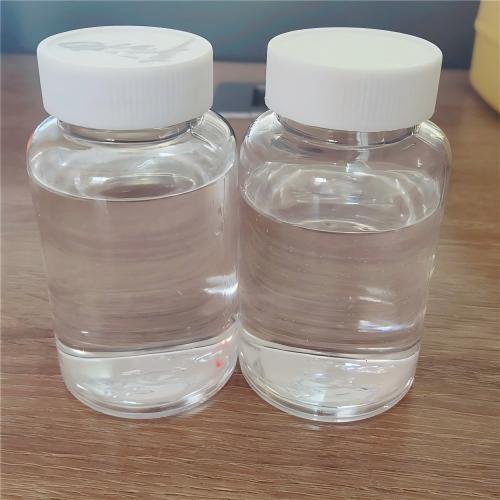
Antimony Mercaptide Stabilizer is a high-efficiency organo-antimony heat stabilizer specially developed for rigid PVC processing. As a cost-effective alternative to organotin stabilizers, it appears as a pale yellow transparent oily liquid, with a typical chemical structure of tris(isooctyl mercaptoacetate) antimony. It delivers outstanding thermal stability performance at PVC processing temperatures, effectively suppressing PVC dehydrochlorination reaction, and is widely used in PVC color sheets, profiles, pipes and other rigid products in the global market.
Key Specifications
Item | Index |
Appearance | Colorless to pale yellow transparent oily liquid |
Antimony (Sb) Content | ≥ 13.0% |
Sulfur (S) Content | 7.5 - 12.5% |
Density at 20℃ | ≥ 1.10 g/cm³ |
Viscosity at 20℃ | 0.06 - 0.08 Pa·s |
Pt-Co Chroma | ≤ 100 |
LD₅₀ (Rat) | > 3.9 g/Kg |
Core Features1. Superior Thermal Stability: Its stabilizing effect is higher than that of ordinary organotin stabilizers, with excellent initial coloring performance and long-term color retention, effectively preventing PVC yellowing and carbonization during continuous processing.
2. Excellent Synergistic Performance: Shows extremely good synergistic effect when combined with calcium stearate, epoxidized compounds and phosphite esters, which can further significantly improve the heat resistance and weather resistance of the system.
3. Low Volatility & High Efficiency: Low addition level, no obvious volatile fume during processing, effectively reducing the fouling of rollers and dies on the production line, and improving the continuous operation efficiency of the equipment.
4. Good Processing Adaptability: Suitable for single-screw and twin-screw extrusion, calendering and other PVC processing processes, with low melting temperature, which can reduce processing energy consumption.
5. Cost-Effective & Low Toxicity: The product has a high cost-performance ratio, and its acute oral toxicity is far lower than that of lead-based stabilizers, which can be used for non-transparent and color PVC products that do not require food contact.
Recommended Applications
· PVC color calendered sheets, color profiles, color pipes and fittings
· PVC heat shrinkable films, PVC pellets, semi-rigid and rigid PVC films
· PVC non-transparent rigid products, latex products and other general-purpose PVC processing scenarios
· Used as a compounding component for compound stabilizer production
Suggested Dosage
The recommended addition level for general rigid PVC color products is 1.5 - 2.5 phr. When compounded with a small amount of calcium stearate, the dosage can be appropriately reduced to achieve better cost control. It is strictly forbidden to use it together with lead, cadmium and other metal soap stabilizers, otherwise it will produce black sulfide pollution.
Packaging & Storage
· Packaging: 225kg net weight per plastic or coated iron drum, or customized according to customer requirements
· Storage: Store in a dry, ventilated and dark warehouse, avoid strong light and water, to prevent product decomposition, discoloration and precipitation
· Shelf Life: 12 months from the date of production under sealed and recommended storage conditions
· Transportation: It is not a flammable and explosive dangerous goods, and can be transported as general chemical cargo.
Frequently Asked Questions (FAQ)
What is methyl antimony mercaptide stabilizer?
Methyl antimony mercaptide stabilizer is a high-efficiency antimony-based thermal stabilizer with mercaptan chelate structure, widely used in various rigid PVC processing formulations to inhibit PVC thermal dehydrochlorination, improve initial color retention, and support long-term stable continuous production.
What is methyl antimony mercaptide stabilizer used for?
Methyl antimony mercaptide stabilizer is primarily applied in transparent PVC calendered sheets, high-speed PVC pipe extrusion, general-purpose PVC profiles, PVC injection molding parts, and highly filled rigid PVC products. Its exact suitable scenarios depend on the specific grade’s active antimony content and viscosity parameters.
What is the difference between transparent-grade methyl antimony mercaptide and general-purpose high-efficiency grades?
Transparent-grade methyl antimony mercaptide features precisely controlled free mercaptan residue and low visible light absorption characteristics, delivering ultra-low haze and excellent initial color for transparent PVC applications. General-purpose high-efficiency grades have higher active antimony content for stronger long-term thermal stability, prioritizing processing cost performance over ultra-high transparency. The two grades are not interchangeable in every high-end transparent production scenario.
How much methyl antimony mercaptide stabilizer should be added to a formulation?
For transparent PVC calendered sheet and film, the typical recommended dosage range is 1.5–2.5 phr. For general-purpose PVC pipe and profile systems, the usual addition level falls between 0.8–1.8 phr. The exact optimum value should be determined through lab static thermal stability testing and verified under actual production processing conditions.
How do I select a reliable methyl antimony mercaptide stabilizer supplier?
Compare core technical parameter consistency, targeted application experience for your specific PVC processing scenario, batch-to-batch stability, complete available TDS and SDS documentation, stable bulk supply capacity, and professional formulation debugging technical support. Request samples and evaluate thermal stability performance under your actual processing and testing standards before finalizing a long-term grade.
Can methyl antimony mercaptide stabilizer be blended with other processing additives in PVC formulations?
Yes, methyl antimony mercaptide stabilizer can be safely combined with ACR processing aids, internal and external lubricants, MBS/acrylic impact modifiers, and inorganic fillers in well-balanced PVC systems. It delivers dedicated thermal stabilization, while other additives optimize plasticization speed, melt flow, and impact toughness without mutual interference.
What is the typical shelf life and correct storage requirement for methyl antimony mercaptide stabilizer?
Under recommended cool, dry, well-ventilated warehouse conditions away from direct sunlight and high-temperature heat sources, the standard shelf life of methyl antimony mercaptide stabilizer is 18 months. After the shelf life expires, the material can still be used if it passes full re-inspection for thermal stabilization performance and all relevant technical indicators.



 Languages