

Whatsapp :
+86 138-5857-5598
 Languages
Languages
Languages

Stearic Acid (also known as Octadecanoic Acid) is one of the most versatile saturated fatty acids used across both industrial and consumer sectors. With the CAS number 57-11-4 and chemical formula , it is primarily derived from natural fats and oils such as palm oil or tallow.
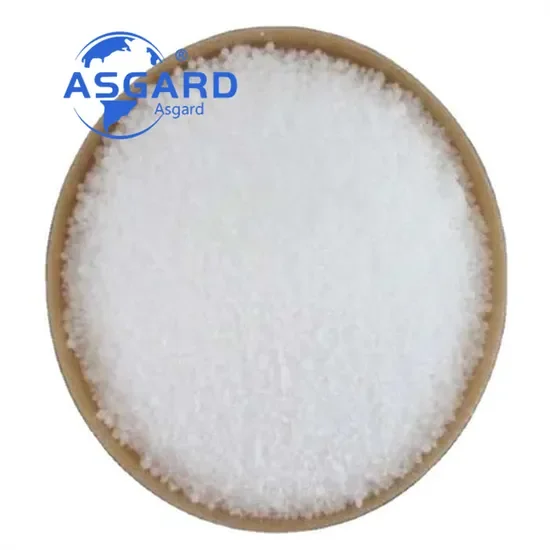
As a multifunctional additive, Stearic Acid serves as an external lubricant, activator, emulsifier, and structural hardener. It is prized for its ability to improve the processing flow of polymers, stabilize emulsions in personal care products, and provide a clean, steady burn in candles.
【View detailed specifications and grades of Stearic Acid】
Stearic Acid's unique chemical structure makes it an essential ingredient in dozens of manufacturing processes.
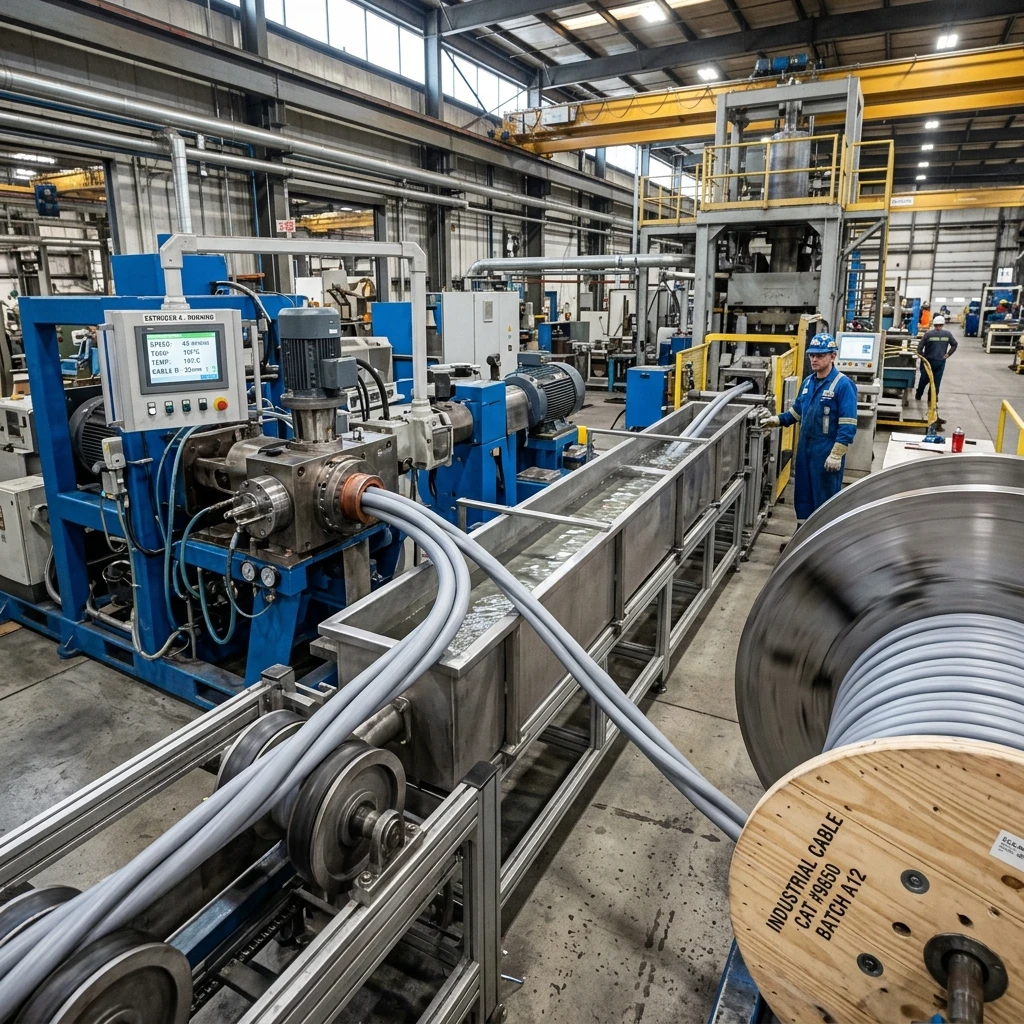
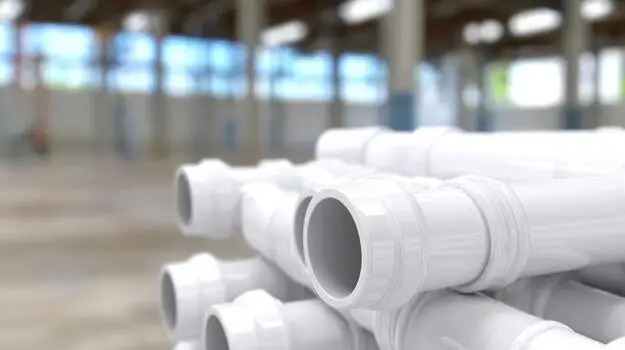
1️⃣ PVC & Plastics Processing: Used as an external lubricant and stabilizer activator in rigid PVC pipes, profiles, and sheets. It prevents the polymer from sticking to the hot metal surfaces of processing machinery, ensuring a smooth surface and high-speed extrusion.
2️⃣ Rubber Industry: Acting as an activator for sulfur vulcanization, Stearic Acid is critical in tire manufacturing and mechanical rubber goods. It facilitates the dispersion of fillers and pigments, improving the durability and elasticity of the finished rubber.
3️⃣ Cosmetics & Personal Care: In lotions, creams, and soaps, it functions as a powerful emulsifier and thickener. It provides a rich, pearlescent texture to skincare products while helping to bind oil and water phases together seamlessly.
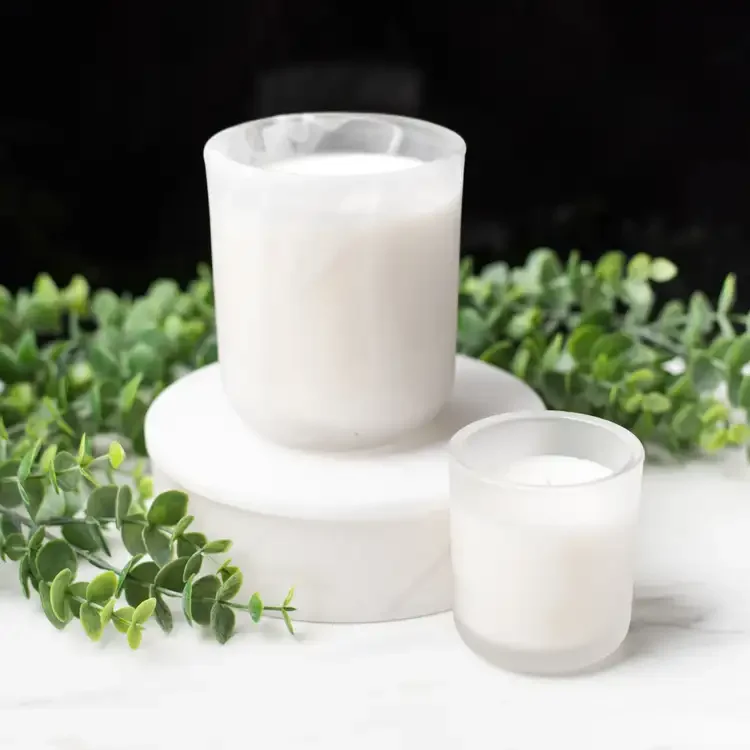
4️⃣ Candle Manufacturing: Stearic Acid is used as a hardening agent in wax blends. It increases the melting point of the candle, prevents "dripping," and helps the candle retain its shape even in warmer climates, while also improving the vividness of colors.
5️⃣ Pharmaceutical & Food: Used as a lubricant in tablet pressing (Magnesium Stearate precursor) and as a food-grade additive in specialized coatings and confectionery to provide texture and prevent sticking.