

Whatsapp :
+86 138-5857-5598
 Languages
Languages
Languages

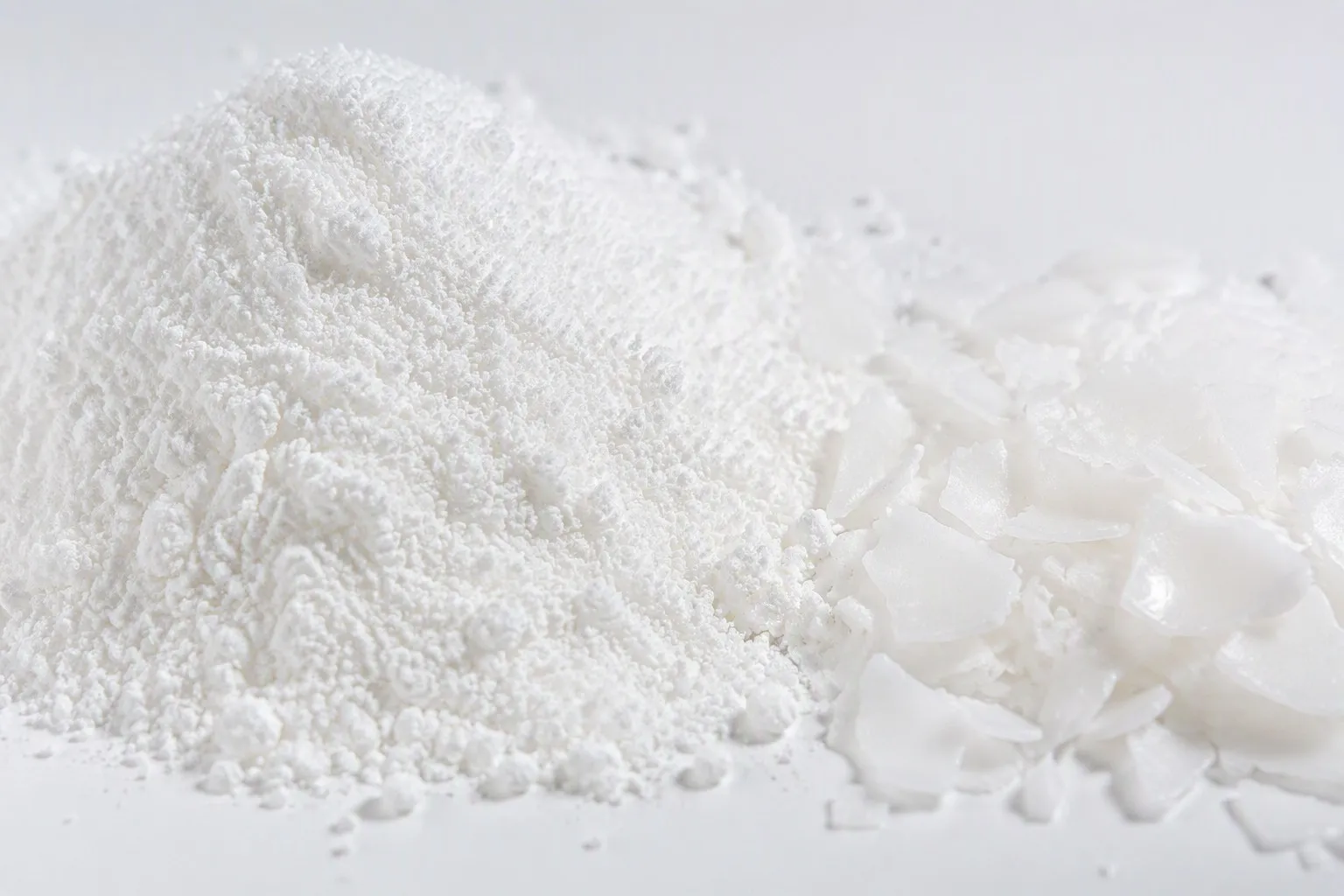
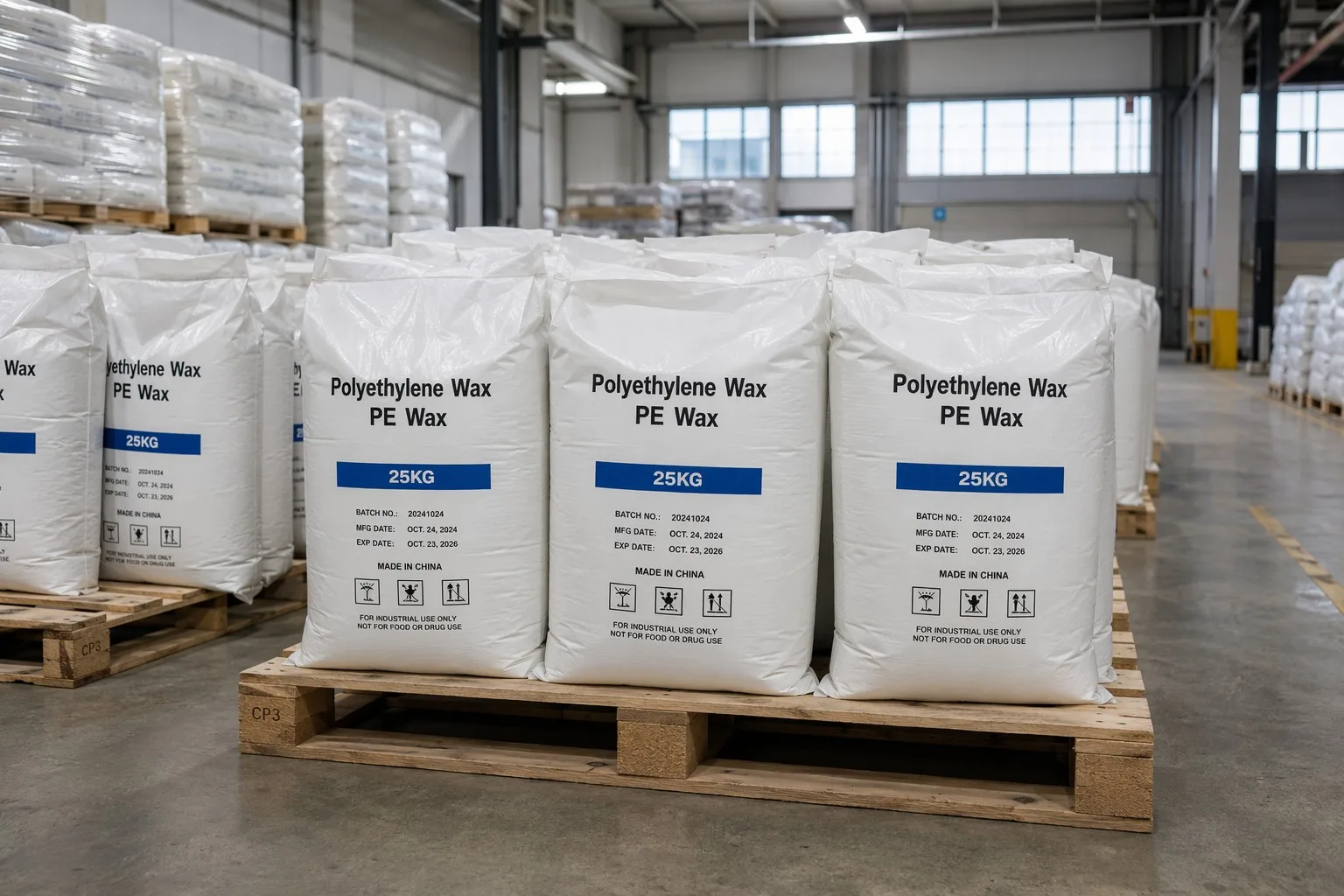
Polyethylene Wax (PE Wax) is a low-molecular-weight polyethylene homopolymer produced via polymerization or thermal degradation of high-molecular-weight PE resin. With the CAS number 9002-88-4, it appears as a white powder, flakes, or granular solid with a waxy feel at room temperature and a typical melting point of 100–110°C.
PE Wax functions as a high-efficiency external lubricant and dispersion aid in thermoplastics processing. Its low melt viscosity, excellent thermal stability, and broad compatibility with PVC, polyolefins, and engineering resins make it an indispensable additive — reducing melt friction during extrusion, improving pigment wetting in masterbatch production, and enhancing surface finish in finished products.
View detailed specifications and grades of Polyethylene Wax (PE Wax)
PE Wax's low melt viscosity and excellent lubricity make it the go-to processing aid across the entire thermoplastic value chain — with PVC compounding and masterbatch manufacturing as its core markets.
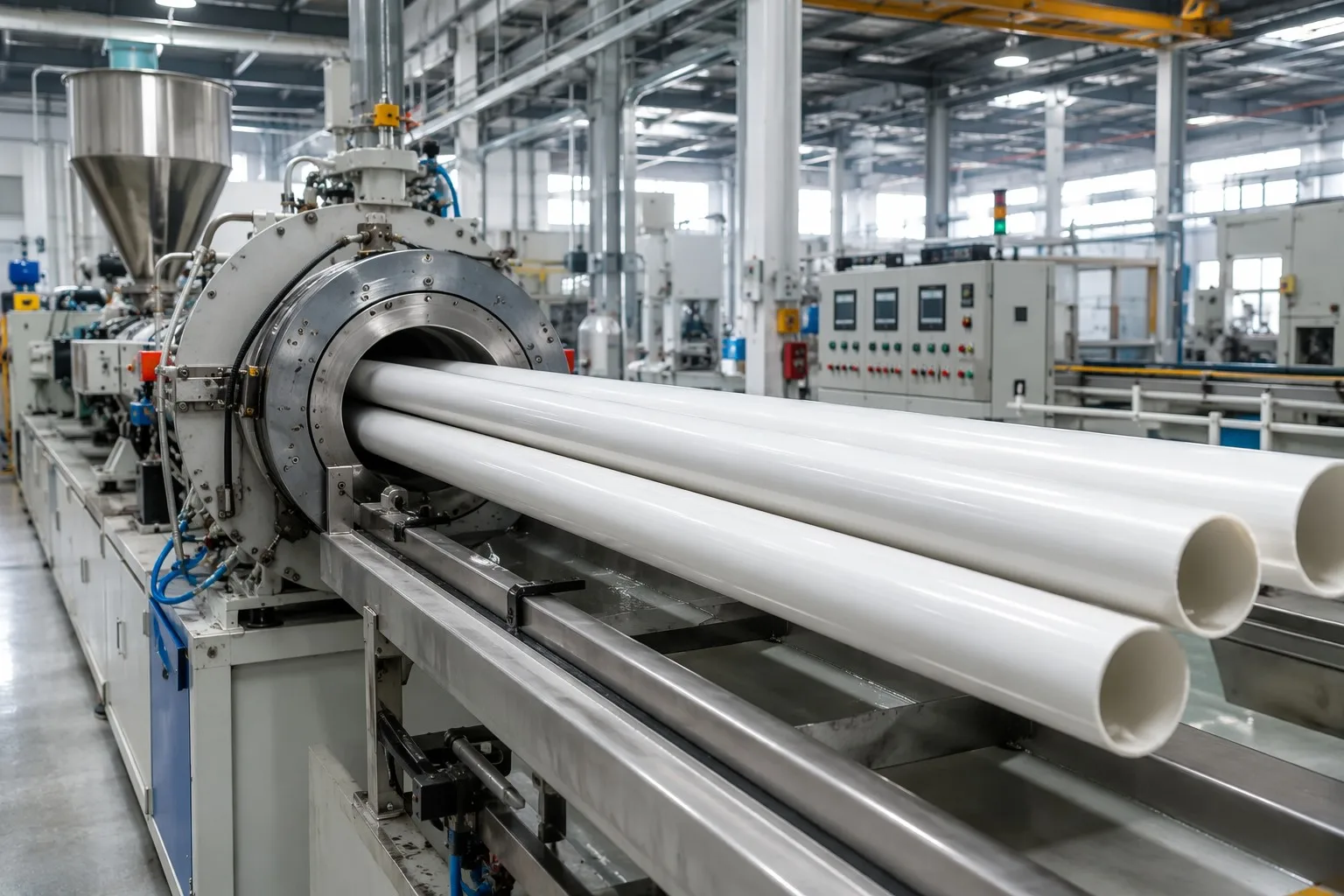
PE Wax is the predominant external lubricant in rigid and flexible PVC compounding for pipes, profiles, sheets, and fittings. During extrusion and injection molding, it migrates to the polymer-metal interface, reducing melt friction, extruder torque, and die build-up. This enables higher output rates, smoother surface finish, and extended equipment service life without compromising the mechanical properties of the finished PVC product.
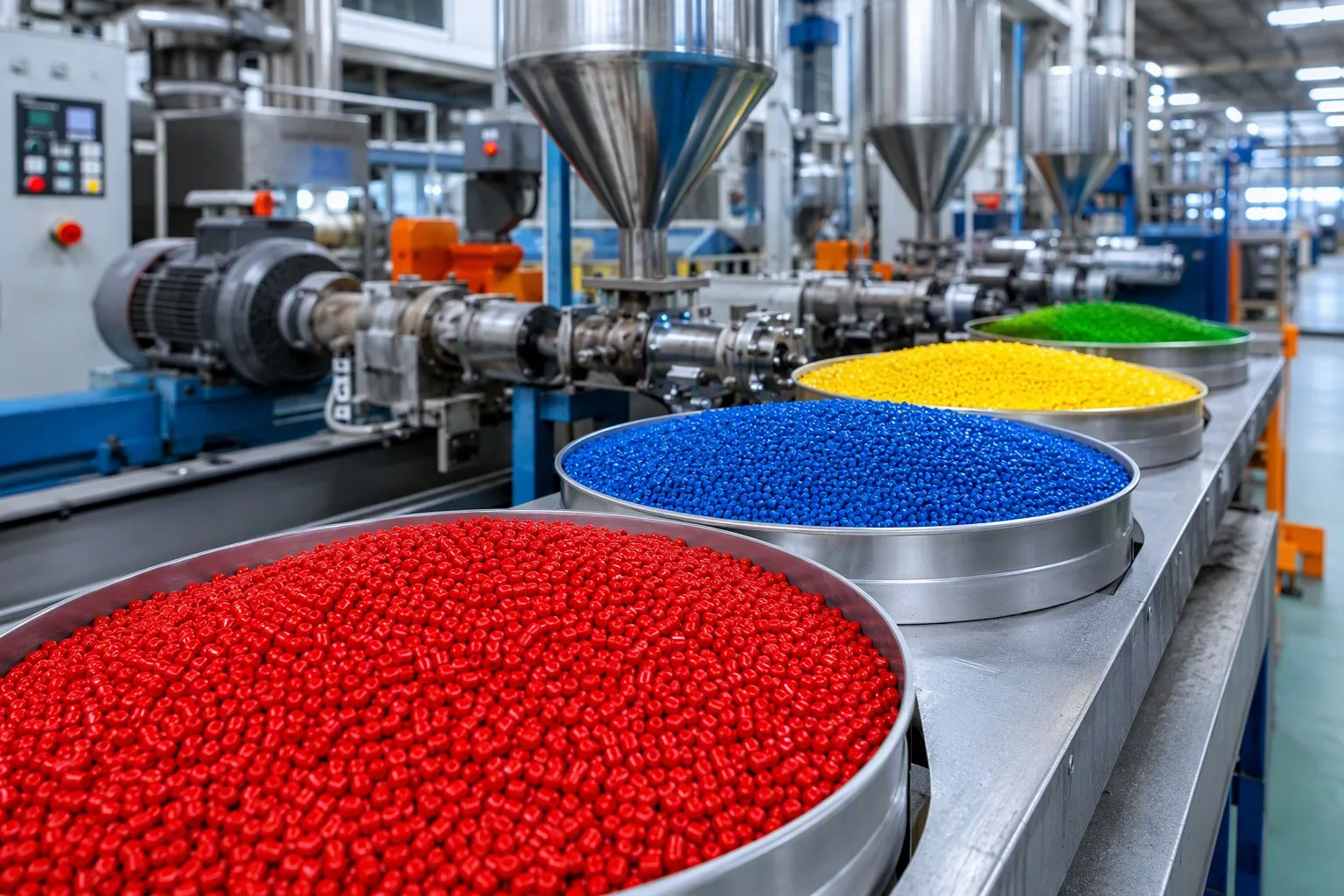
In color masterbatch, filler masterbatch, and additive masterbatch production, PE Wax serves as the carrier resin and wetting agent. Its low molecular weight and narrow melting range ensure rapid melting and uniform pigment dispersion, preventing agglomeration and color inconsistency in downstream plastic products.
PE Wax micronized powder is used as a matting agent, anti-scratch additive, and slip improver in solvent-based and powder coatings, flexographic printing inks, and wood coatings. It provides a smooth, abrasion-resistant surface finish.
As a viscosity modifier in hot melt adhesives, PE Wax lowers melt viscosity for easier application, reduces open time, and increases heat resistance and cohesive strength in packaging, bookbinding, and woodworking adhesives.
PE Wax is blended with paraffin wax to increase hardness, raise the melting point, and reduce oil bleed in container candles, pillar candles, and wax compounds, improving dimensional stability and burn performance.